logo
FLYBULL Contractor License Exam Training Center
Multi-functional all-in-one online learning platform. Specializing in contractor license exams across all US states!
platforms
AI Assistant
Enabled

Download Client

Visit this website on a computer to download the desktop client

Frequently Asked Questions

In California, when engaging in construction-related work and signing contracts exceeding $1,000, you must obtain a contractor license. This is a clear legal requirement and an important means of protecting public interests. Licensed contractors not only undergo rigorous background checks and professional exams, possessing necessary technical and legal knowledge, but can also legally pursue payment in case of project disputes. Unlicensed construction activities may result in hefty fines, legal lawsuits, and even inability to collect payment. Additionally, a license is a symbol of client trust, enhancing business competitiveness and ensuring projects meet California's safety and quality standards. Therefore, obtaining a license is an essential path for legal operation and professional development.

In California, applicants for a contractor license should have at least 4 years of relevant full-time work experience, verified by employers or professionals. This experience must be related to the license classification being applied for, such as positions as a contractor, engineer, or skilled worker. Additionally, applicants need to pass two exams—Law and Business Knowledge and Trade-Specific Knowledge—and meet financial capability, bond, or insurance requirements, while having no major legal issues. Once qualified, you can submit an application to the Contractors State License Board (CSLB) and take the exam.

Applicants for a California contractor license must be at least 18 years old, meeting the legal age requirement; they must also have legal status and work authorization in the United States, and possess a valid Social Security Number (SSN) or Individual Taxpayer Identification Number (ITIN) to meet tax requirements. Additionally, applicants need to have full civil capacity, be able to independently assume legal responsibilities, and fulfill license-related obligations.

If your work experience only involves a single category of projects, such as electrical, plumbing, or other specialized fields, then a C-class license is most suitable, as it focuses on specific technical areas. If you plan to undertake and manage comprehensive construction projects, such as residential or commercial buildings involving multiple trades, a B-class license will be the best choice, as it applies to comprehensive project management. If you want to participate in large-scale projects or public works, such as infrastructure construction, roads, or bridges, an A-class license is most suitable, as it focuses on undertaking and managing large-scale engineering projects.

C-class licenses have higher specialization and authority compared to B-class licenses. Contractors holding C-class licenses possess deep professional knowledge and skills in a specific technical field and can perform precise calculations and assessments. For example, electricians with a C-10 license can calculate whether circuit power is sufficient to meet demands, ensuring electrical system safety and reliability;

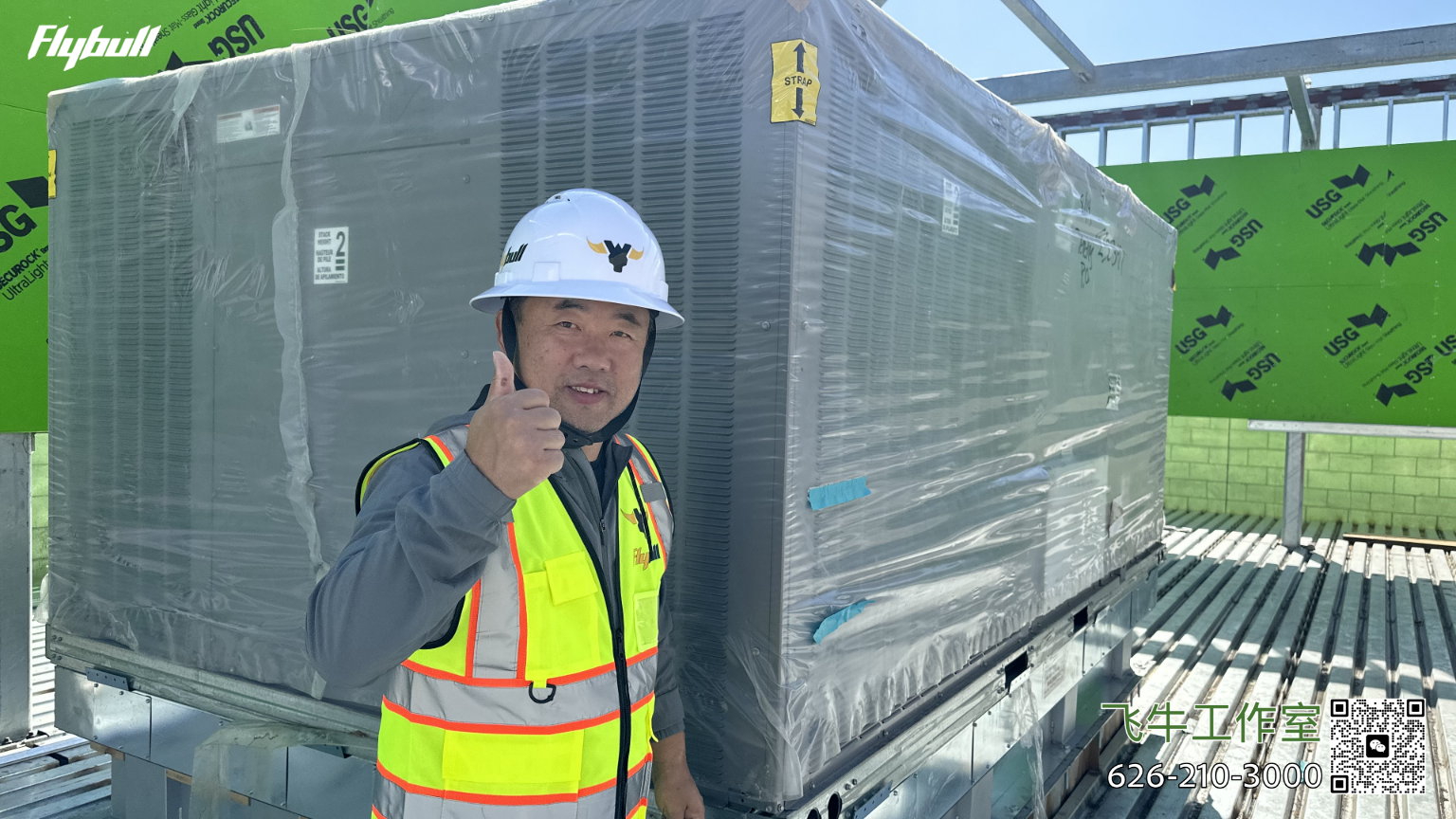
Plumbers with a C-36 license can calculate whether drainage capacity of sewer pipes meets specifications, avoiding system failures; HVAC engineers with a C-20 license can calculate whether air conditioning duct airflow is sufficient to ensure system efficiency and performance. These calculations and assessments require professional knowledge, and C-class licenses grant holders sufficient technical authority. In contrast, B-class licenses mainly apply to undertaking and managing comprehensive construction projects, coordinating multiple professional trades, but do not require deep technical knowledge in any specific field. Therefore, B-class license holders cannot perform complex technical calculations and assessments like C-class license holders, thus lacking authority in certain specialized projects.

Compared to B-class licenses, C-class licenses have clear advantages in specialization and technical authority. Contractors holding C-class licenses focus on a specific field, such as electrical, plumbing, or HVAC, and possess the ability to perform precise technical calculations, such as calculating circuit power, assessing pipe drainage capacity, or whether air conditioning airflow meets requirements. This gives them higher technical authority when executing specialized projects. B-class licenses focus more on managing comprehensive construction projects and, while they can coordinate multiple trades, lack deep understanding and independent problem-solving ability for specific technical issues. Therefore, C-class license contractors typically have stronger market competitiveness, especially in projects requiring specialized technical expertise.

The city's Builder's Department often requires signatures from professional contractors holding C-class licenses before issuing construction permits because C-class license contractors possess specialized technical expertise and certification in specific fields, ensuring that projects comply with strict industry standards and safety regulations during design and construction. Especially in technically demanding projects involving electrical, plumbing, HVAC, etc., C-class contractors have the necessary qualifications to perform technical calculations, design, and assessments, ensuring project safety and compliance.

The city government requires C-class license contractor signatures mainly to ensure that technical details during construction comply with regulations, avoiding safety hazards or compliance issues caused by improper design or construction. For example, in electrical system design and construction, only electricians holding a C-10 license can ensure that electrical load calculations, circuit layouts, etc., meet standards, avoiding potential electrical failures or fire risks. Therefore, the city government needs these professional contractors' signatures to verify the project's technical compliance, ensuring safe and smooth project execution.

Even if you just arrived in the United States, you can apply for a contractor license. The US government encourages foreigners to legally establish companies. You can register and operate a company in the US and apply for a contractor license through the company. Especially in California, the Contractors State License Board (CSLB) accepts relevant work experience from other states and abroad, meaning that even if you don't have work experience in the US, as long as your work history meets California's requirements, you can use experience from elsewhere to apply for a license. Additionally, you can legally register a company, meet relevant conditions, pass necessary exams, and apply for the contractor license you need. Therefore, although you cannot directly employ yourself without work authorization, through legal company registration, you can still apply for and obtain a contractor license in the company's name.

You don't necessarily need to register a company first; individuals can also apply directly. The California Contractors State License Board (CSLB) allows individuals to operate as contractors under their own name, as long as they meet the corresponding conditions. You need to have certain work experience (typically 4 to 5 years) and pass relevant exams, proving you have sufficient professional knowledge and skills to undertake construction projects. Additionally, you need to provide legal identification and a tax number (such as SSN or ITIN). If you don't have legal work authorization, you can still apply for a contractor license by establishing a company. In this case, your company will assume the license responsibility, and you can apply for and obtain the license as a company representative. Whether in your personal name or through a company, you can legally apply for a contractor license in the US, as long as you meet California's relevant requirements.

The California contractor license exam consists of two parts: the Law and Business exam and the Trade-Specific Knowledge exam. Each part lasts 210 minutes (3 hours and 30 minutes), and the exam is computer-based. The exam location is at PSI, a third-party testing center authorized by the California Contractors State License Board (CSLB). The Law and Business exam mainly tests legal and business knowledge related to construction business, such as company management, contracts, insurance, taxes, and labor law, with approximately 115 to 120 questions. The Trade-Specific Knowledge exam focuses on your technical abilities in a specific construction field, also with 115 to 120 questions, covering construction techniques, building codes, and material usage. Candidates can review using reference materials provided by the CSLB and exam preparation courses available on the market. After successfully passing both parts of the exam, you will obtain a California contractor license and can legally undertake construction projects.

Currently, the California contractor license exam testing center (PSI) offers exam options in multiple languages, including Spanish, Vietnamese, etc., but there is currently no Chinese exam. If your English proficiency is limited, you can bring a translator to assist you during the exam. According to California Contractors State License Board (CSLB) regulations, the translator must be a non-relative, non-company employee, and can only provide language translation services, not assist in answering exam content. When registering, it's recommended that you confirm in advance the specific language options PSI provides and ensure your translator meets the relevant requirements.

The registration process for FLYBULL contractor license training is very simple and efficient. First, students need to download the FLYBULL contractor license training app and register an account, creating a personal learning profile. Students choose appropriate courses based on their needs; FLYBULL offers various training courses including A, B, and C-class licenses, covering comprehensive construction knowledge. After selecting a course, students sign a service contract and complete payment, with flexible and convenient payment methods. Once payment is completed, students can begin learning. FLYBULL provides textbooks, online courses, online practice questions, and mock exams (optional), helping students fully prepare and familiarize themselves with exam content and format.

During the learning process, FLYBULL will provide exam application and exam scheduling services, ensuring students successfully register and arrange exam times. Through FLYBULL's mock exams, students can become more familiar with CSLB exam question types and difficulty, thereby improving exam pass rates. After passing the exam, students will obtain a California contractor license and officially become qualified construction contractors. The entire process is fully supported by FLYBULL, ensuring students smoothly complete learning, exams, and successfully obtain their contractor license.

Building and Structure Related:
  • C-2 - 隔墙与天花板(Insulation and Acoustical Contractor)
  • C-5 - 木工与粗加工(Framing and Rough Carpentry Contractor)
  • C-6 - 瓷砖和马赛克(Cabinet, Millwork and Finish Carpentry Contractor)
  • C-7 - 低电压系统(Low Voltage Systems Contractor)
  • C-8 - 混凝土工程(Concrete Contractor)
  • C-9 - 干墙安装(Drywall Contractor)
  • C-10 - 电工(Electrical Contractor)
  • C-11 - 电梯安装(Elevator Contractor)
  • C-12 - 土地平整和排水(Earthwork and Paving Contractor)
  • C-13 - 篱笆安装(Fencing Contractor)
  • C-15 - 地板与地毯(Flooring and Floor Covering Contractor)
  • C-16 - 消防系统(Fire Protection Contractor)
  • C-17 - 玻璃和镜子(Glazing Contractor)
  • C-20 - 暖通空调(Warm-Air Heating, Ventilating and Air-Conditioning Contractor)
  • C-21 - 建筑搬迁/拆除(Building Moving/Demolition Contractor)
Exterior Construction and Decoration:
  • C-23 - 装饰品和装饰(Ornamental Metal Contractor)
  • C-27 - 景观(Landscaping Contractor)
  • C-28 - 冷藏库(Lock and Security Equipment Contractor)
  • C-29 - 钣金工程(Masonry Contractor)
  • C-31 - 水管铺设(Construction Zone Traffic Control Contractor)
  • C-32 - 地毯安装(Parking and Highway Improvement Contractor)
  • C-33 - 油漆和装饰(Painting and Decorating Contractor)
  • C-34 - 管道安装(Pipeline Contractor)
  • C-35 - 石膏(Plastering Contractor)
  • C-36 - 管道工程(Plumbing Contractor)
  • C-37 - 游泳池(Swimming Pool Contractor)
  • C-38 - 制冷(Refrigeration Contractor)
  • C-39 - 屋顶(Roofing Contractor)
Special Systems and Equipment:
  • C-42 - 排水与卫生设备(Sanitation Systems Contractor)
  • C-43 - 钣金(Sheet Metal Contractor)
  • C-45 - 标牌工程(Sign Contractor)
  • C-46 - 太阳能(Solar Contractor)
  • C-50 - 钢筋工程(Steel, Reinforcing Contractor)
  • C-51 - 结构钢材(Structural Steel Contractor)
  • C-53 - 泳池工程(Swimming Pool Contractor)
  • C-54 - 瓷砖(Tile Contractor)
  • C-55 - 水井钻探(Water Well Drilling Contractor)
  • C-57 - 供水(Well Drilling Contractor)
  • C-60 - 焊接工程(Welding Contractor)
  • C-61 - 附加许可(Limited Specialty Contractor,细分为多种小类)

FLYBULL Online Classroom

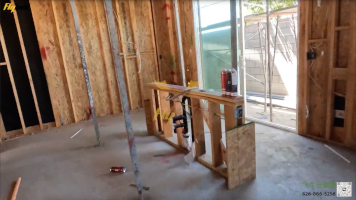
Chinese instruction, from beginner to expert! Also includes on-site construction explanations. Start learning anytime, anywhere!
Law and Business (Required)
A-Class General Engineering
B-Class General Contractor
C-10 Electrical
C-16 Fire Protection
C-20 HVAC
C-33 Painting
C-36 Plumbing
C-45 Sign
C-46 Solar
D-52 Window Covering
Health & Safety Intensive (Elective)
Measurement & Calculation (Elective)
More C-Class and D-Class Licenses...
class
class

Exclusive Textbooks

Bilingual Chinese-English exclusive self-authored textbooks. Professional knowledge, reference anytime!
book cover

Practice Questions

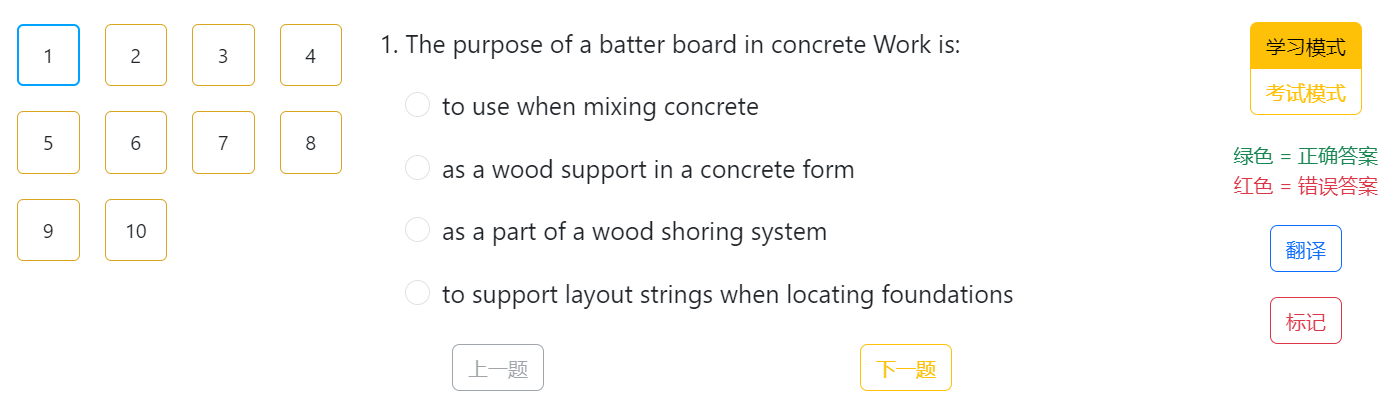
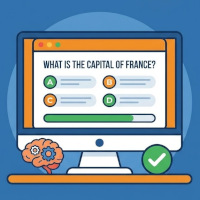
Bilingual question bank, switch anytime, hundreds of questions in each bank! Study mode and exam mode for double reinforcement!
{{ index + 1 }}
{{ currentIndex + 1 }}. {{ translate ? translations[currentIndex].question : questions[currentIndex].question }}
question image
Green = Correct Answer
Red = Wrong Answer
Correct answers shown
after completion

FLYBULL AI Answers for You

{{ displayedExplanation }}

Visit this website on a computer to try this feature
Exams

Vocabulary Learning

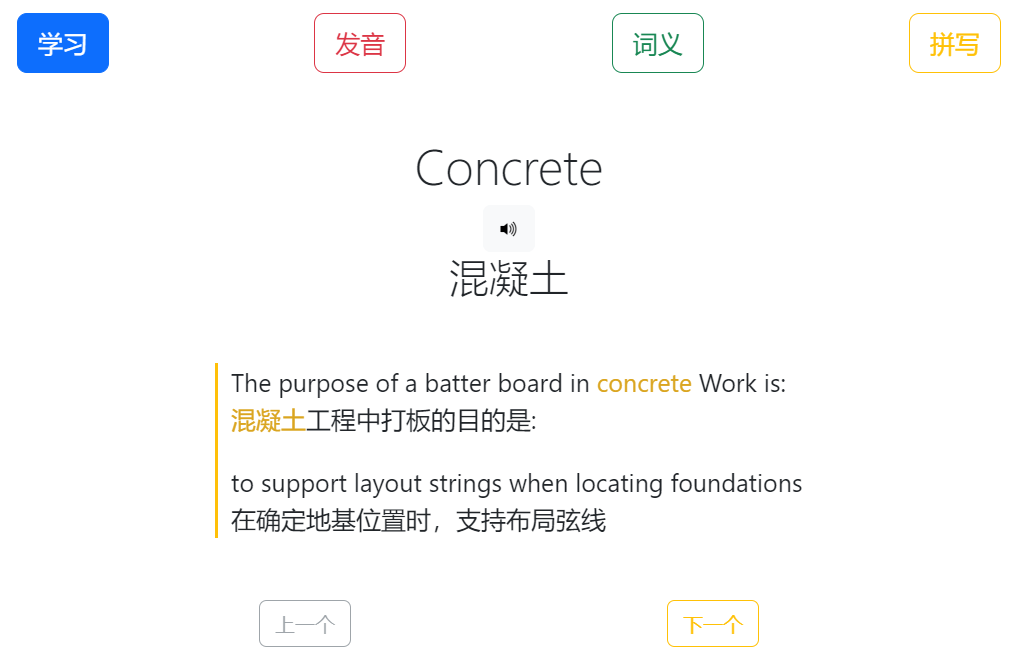
Build a solid foundation for exam study. Each exam has its own vocabulary bank!

{{vocabs[index].word}}

{{vocabs[index].cn}}

Visit this website on a computer to try this feature
Exams

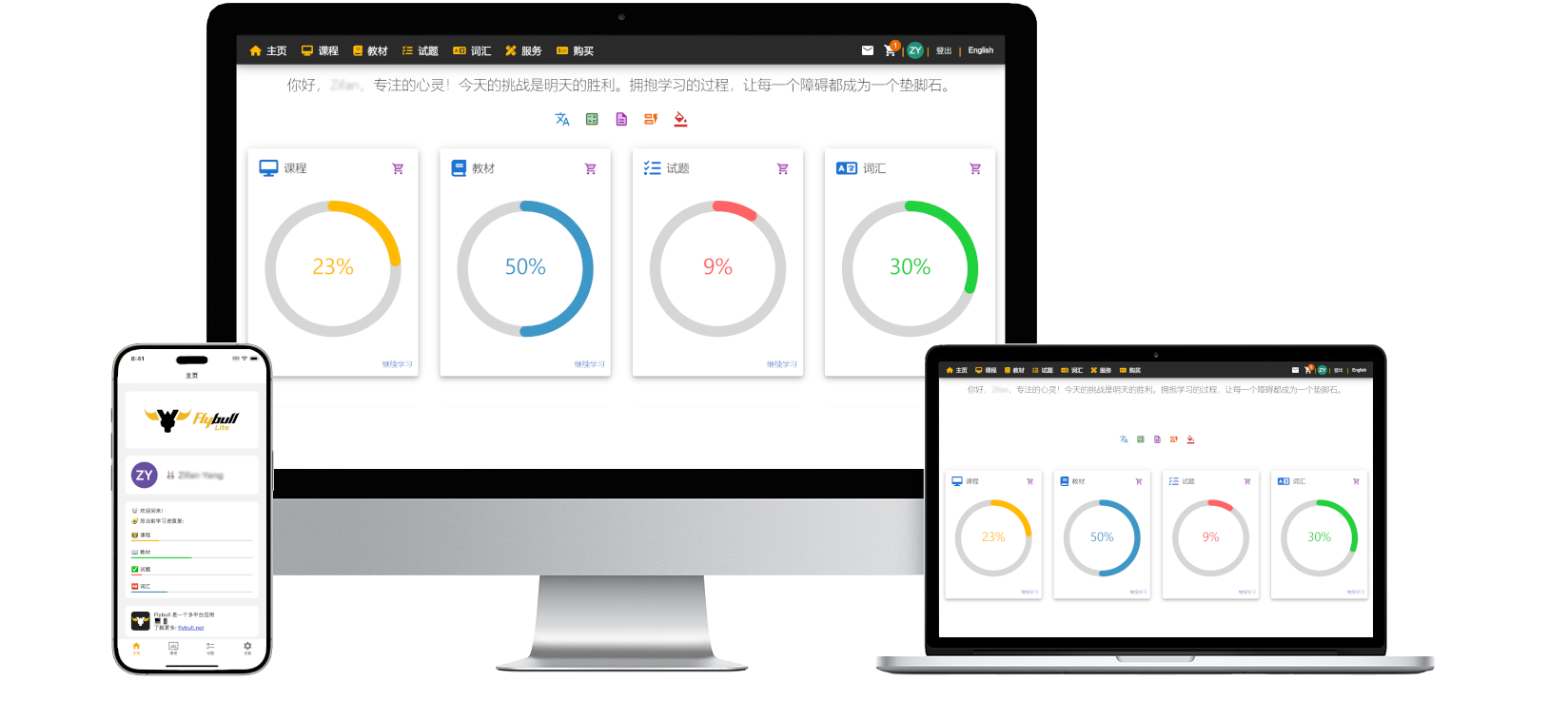
Learning Progress Report

Every bit of progress is reflected in the learning progress bar, keeping your distance to the goal clear!
10%

Services and Tools

Various tools to serve your actual work. Unlock for free after purchasing any course!
agrmtgen
Contract Generator
asphaltCal
Asphalt Calculator
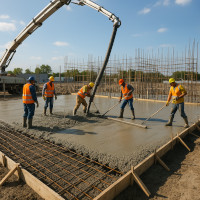
concreteCal
Concrete Calculator
grilleSizeCal
Grille Size Calculator
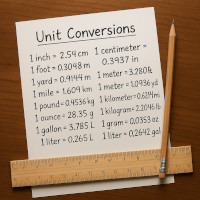
unitConverter
Unit Converter
formHelper
Form Helper
simExam
Mock Exam
licApp
License Application
examApp
Exam Scheduling
postExam
Post-Exam Checklist